Accelerating Authentication Architecture: Taking Passwordless to the Next Level
A slow-loading widget was crippling their passwordless login. See how a new architecture using materialized views cut load times from 500ms down to a blazing-fast 14ms.
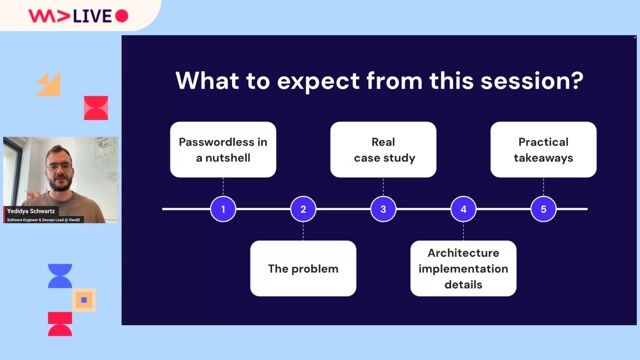
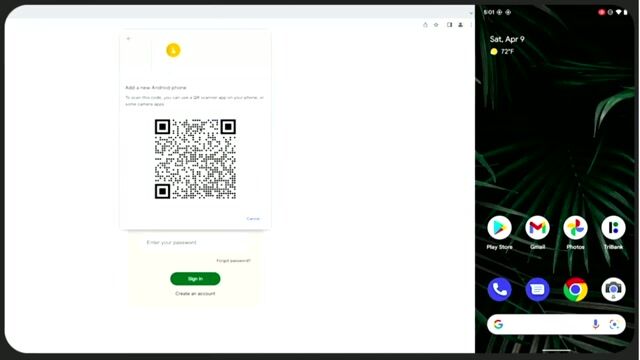
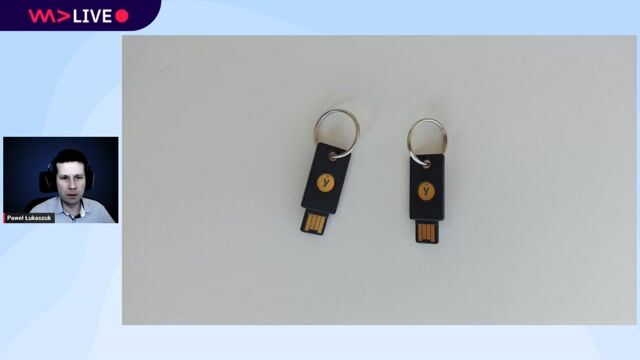
An overview of the core concepts behind passwordless authentication, including FIDO2, WebAuthn, and Passkeys.
#2about 3 minutes
How the initial passwordless solution worked
A high-level look at the original architecture where a user interacts with a widget that triggers a multi-step authentication process involving a customer's user database.
#3about 2 minutes
Identifying the widget's performance bottleneck
The authentication widget loaded with a noticeable delay or sometimes not at all, creating a poor user experience that undermined the speed of passwordless login.
#4about 2 minutes
Analyzing the legacy loading architecture
The previous solution suffered from high latency and request dependencies by loading an SDK, translations, and dynamic configurations in separate network calls.
#5about 2 minutes
Applying design patterns for performance optimization
The materialized view and server-side composition patterns provide a theoretical framework for pre-calculating data and bundling resources to reduce requests.
#6about 4 minutes
Building the new high-performance architecture
A new architecture was designed using a "baking server" microservice to pre-compose all necessary resources into a single file stored in Redis for fast retrieval.
#7about 5 minutes
Scaling the solution with a CDN and request collapsing
AWS CloudFront was placed in front of the baking server to handle massive scale, using request collapsing to prevent the origin from being overwhelmed during traffic spikes.
#8about 5 minutes
Solving the Redis hotkey bottleneck at scale
High traffic to a single Redis key caused network allowance issues, which was solved by sharding the key, adding an in-memory cache, and using CloudFront's Origin Shield.
#9about 3 minutes
Keeping cached data fresh with CDN invalidation
A Redis pub/sub mechanism triggers programmatic CDN invalidations whenever customer configurations change, ensuring users see updates within minutes.
#10about 5 minutes
Reviewing results and key architectural takeaways
The new architecture reduced widget load time from over half a second to 14 milliseconds by leveraging existing components, using observability, and adapting design patterns.
#11about 11 minutes
Q&A on career path and the future of passwordless
A discussion on transitioning into a DevOps role, the industry-wide shift towards passwordless authentication, and balancing user convenience with security.
#12about 6 minutes
Q&A on business drivers and implementation
An exploration of the business motivation for passwordless adoption, such as increasing conversion rates, and the technical challenges of ensuring a secure and seamless user experience.
Related jobs
Jobs that call for the skills explored in this talk.
Dev Digest 214: Claude Is Leaking, GitHub Is Listening & Axios Hacked!Inside last week’s Dev Digest 214 .
🕵️ Claude source code leaked, analysed and re-written in 2 days
🐙 GitHub auto-opts users into feeding their code to train their AI
🌐 Pretext shows how to show complex text rendering in the browser
🤖 How to securin...
Christina Schaireiter
Why Attend a Developer Event?Modern software engineering moves too fast for documentation alone. Attending a world-class event is about shifting from tactical execution to strategic leadership.
Skill Diversification: Break out of your specific tech stack to see how the industry...
From learning to earning
Jobs that call for the skills explored in this talk.